 Mid shot- a mid shot Shows some part of the subject which is usually a mid section of a character in relative detail while still giving the audience an impression of the whole subject. for our movie
 trailer we aim to include a mid shot like this of the old woman to view both her emotion and expression as well as her nightgown relating to mise en scene and showing a sense of femininity. Any action from the antagonistic old woman charachter could potentially be filmed with a mid shot to not distract audiences from what action is going on, as we are just seeing her arms.
 Two shot- this is a shot of two people, typically in conversation or interacting with each other and they are generally framed similarly to a mid shot with mid sections and details being considered. for our movie trailer it may be difficult to include elusive and common two shots as we want to keep our victim (protagonist) and antagonist seperate so audioences are left in tension of how the eerie ghost old lady and real person are connected and interact. The best example of a planned two shot in our movie would potentially be the two shot where the old woman is pictured behind our protagonist in the mirror, or when in the background when clverly audeicnes can see the ghostly woman but the other charachter cannot. Two shots often shows relationships and connections between charachters however here we are flaunting by the relative absesne of two shots that these charachters are not alike.
  Over the shoulder shot- this is a shot taken from a behind view, the camera appears almost to be resting on the shoulder of a key character-Looking from behind a person at the subject. for our movie trailer we could cleverly use this shot in filming the old woman in the mirror behind the protagonist, and would then using adobe editing software to edit the appearance of the camera out of the shot so it dosent ruin the continuity or cinema magic of the film. We would try to commonly use shots like this to show what our protagonist is looking at and by using a tight frame audiences would too feel as if they are part of the film.
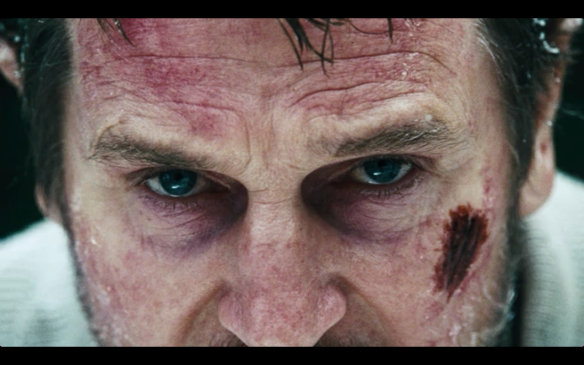 Extreme close up shot- this is a extremely detailed shot that frames key aspects such as closely framed facial expressions, body language or objects. in our movie trailer we wanted to use an extreme close up to film the old woman's expressions but most notably, her eyes as relating to mise en scene and special effects we will be using contacts to make the old woman's eyes seem completely blackened out with Scelera contacts which filmed with an extreme close up shot would fit to conventions of typical horror movies as often direct eye contact and mode of address with audiences is effective with jump scares and gripping audience attention.
 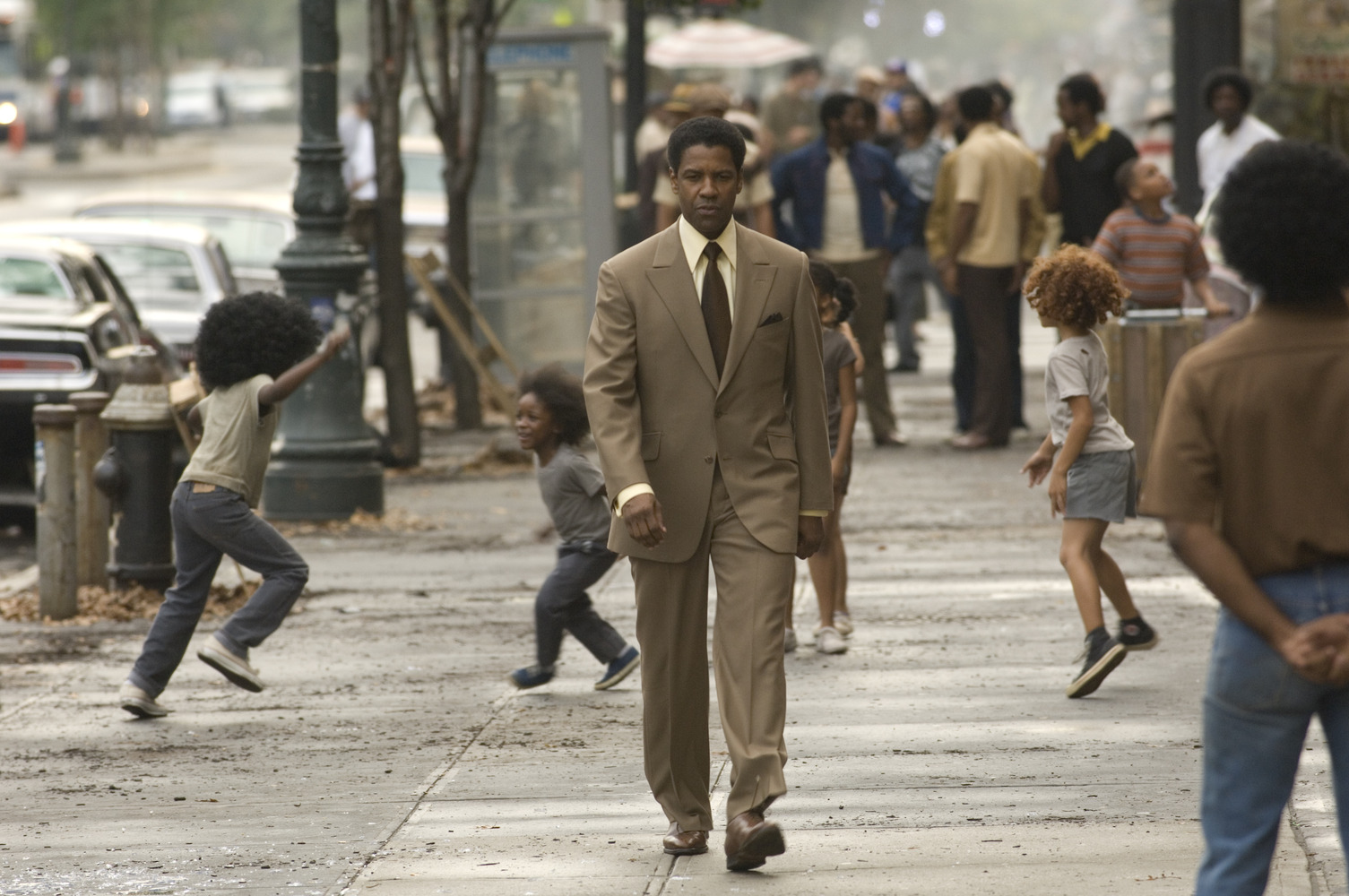 Long shot- a long shot generally Shows the location, but can also frame the entire body language of a subject. for our film a long shot would most likely be used to capture the ghostly presence of the old woman in the film as the antagonist, and the character and location together. The long shot would also explicitly show her nightgown garments which would make her character seem ghostly and archaic.
  Match on Action- Match on action is simplistic, it simply is an editing technique where the perspective of the camera changes during a scene and the scene continues to flow. this idea of flowing is essential to movie editing because the audience need to feel as if the shots fit together- almost like a jigsaw and the audience feel as if they too are in the movie. in our movie opening we aim to use the match on action technique throughout because we feel it is the best and most interactive movie making quality. however, the most prominent match on action presence will be when the man descends his car because we will piece shots from different perspectives together- for example a close up of him clutching the door, mid shots of him stepping out and then finally a close up of his feet as they hit the ground. the effect of this will make the audience feel more involved and make the editing more fitting.
 Shot Reverse Shot: this is a classic filming technique where one character is shown looking at another object or character (prominently off-screen), and then the other character is shown looking back at the first character. (Since the characters are shown facing in opposite directions, the viewer assumes that they are looking at each other). in our movie opening we aim to include this particular editing tecnique when showing the man looking at the girl he has hit- which will then reverse from his expression and reaction to what he is looking upon and back again.
Pan: Panning is generally a slow camera movement that connects action and scenes with a smooth flow. You can pan from the right or left at a variety of paces. In our particular film we wanted to include a pan to show the direction the man is walking when he approaches the casualty and when he approaches his car - however we also could use a tracking shot for this particular scene. the effect of this shot would almost show the audience what 'main' character to follow.
creating the most effective cinematic production from an array of shot types and continuous editing is a key motive for any film maker. The final cut should have precisely and neatly arranged scenes with detailed editorial skills flaunted. A preliminary cut is almost a draft of the final. When looking at shot types it is important to consider the prevalence characters receive- with the amount of screen times and close ups showing who the audience is to empathize with or view as a high status character. As well as prevalence during shots, the final shot is also key to see who is afforded the prominent final shot once again suggesting who we are to empathize with. Another key shot type is the inclusion of a cross cut...these allow the audience to move from one situation and back again. Fades, too, play a key role in editing- does the screen fade out to black or white? or even another color or scene to create a desired effect. I wanted to research the Montage editing technique further..so in forthcoming blog (world war Z montage analysis) i'm going to explore this technique further however research has enables me to understand how lots of shots in an almost collage format of things happening over time enable an audience to receive key points at a fast pace. Relational editing is another editing technique i wanted to possibly adopt ideas of in my opening two minutes as it forges a link and theme between shots- for example if we saw a helpless old woman struggling with shopping in a shot and then another scene of a boy being told he is useless there is a relatable link forged. Often relational editing is the most foreshadowing in movies. Transitions of scenes were also another key aspect i wanted to research as often transitions like 'dissolve' are used to blend two shots together so the audience are taken from one scene to another without pause..creating a faster pace.
 A match action shot (also known as a match cut or graphic cut) is a defined cut in film editing between two different object, compositions or spaces where the objects or actions in the two shots graphically match. In easier terms- an action or scene is shot from two different camera angles or shot types but still fit in together correctly establishing a strong continuity of action and link between the shot types. A match cut films the same thing but from an alternative perspective. an example of this could be filming somebody turn the knob of a door with a close up shot, and then see them going through the door from a frontal long shot. match cuts are different to parallel editing or cross cuts because they both disorientate the audience from the scene and do not focus on the same objective. Match cuts follow directly on from each other to reinforce continuity without any transitions or pause- this is a direct contrast with the discontinuity of a jump cut. shot reverse shot is a typical feature of the 'classical Hollywood' style of continuity editing which focuses on continuous action that develops linearly, chronologically and logically with no deferring from the scene. shot reverse shot also categories under the filming technique of 'eye line match'.
a shot reverse shot is simple- its just a shot first in one direction-then in the other- and back again. this is effective because it makes the audience feel part of a conversation typically..or enables a better grasp and understanding of emotions and response as often shot reverse shots are used to show a reaction or retaliation. usually, shot reverse shots work best using mid shots and close ups so that we can see expressionism and identify with emotions. The shots work well because it feels like we are seeing just what the characters are from both perspectives. also- it is almost like a rebounding or mirroring of prevalence or importance in scenes- showing who should have our focus. over the shoulder shots are used in conversational scenes just like shot reverse shot to see things from opposite perspectives. shots like this are more effective than simplistic, still, two shots or long shots because we have a limited view of emotion and restricted involvement in the scene. often these shot reverse shots can be a direct eyeline match so we see exactly what a character is looking at as the camera follows their point of view-creating an eager audience to see what the character does. Eyeline matches in film are completely different to graphic matches because graphic matches occur when two shots that match graphically are purposely matched and placed after each other or after a overlap transition...an example of this could be a shot of an eyeball and then a shot of the sun, or the famous shot in 'A Space Odessy' of the monkey throwing a bone which then matches the space shuttle- this is because both are the same size and shape on the screen- showing a relationship. The last editing terminology involving a 'match' in scenes is an action match. An action match often portrays two different views and different shots of the same action which are then edited together so the action appears interrupted. Back to eyeline match shots....To ensure this works, in shot reverse shots we have to imagine a line between two characters or a character and an object...this is called the axis of action- leading onto my next point-the 180 degree rule! This axis of action is important because filming needs to be maintained from only one side of the imaginary line....if the rule if broken and you've crossed the line, viewers may feel deluded and disorientated with shots that do not fit together in a smooth cut. This rule is called the 180 degree rule because the camera cannot move further than 180 degrees (half a circle) around the subjects. often- when using this rule, it is typical for the first character to always be frame right of the second character who is then hence frame left of the first.


No comments:
Post a Comment