Saturday, 8 April 2017

EVALUATION 5 -how have you made your trailer seem like a trailer?/expectations?

  •  we used a continuous method of filming where events took place in chronological order in a linear mannerism, creating a full story-like experience for audiences which arguably subverted trailer expectations and differentiated our trailer from similar horror genre releases however this makes our trailer seem more like a original and unique trailer through adopting a innovative story telling technique, almost telling a unfinished story leaving audiences on a cliff-hanger and with unanswered enigmas which is a trailer convention. it also warps the idea of story telling and fairy tales which are associated with innocence and children and youth whereas our story telling juxtaposes this as although we have a young protagonist in our trailer asleep with a teddy depicting serenity and innocence, conventionally of trailers we then break this equilibrium in our trailer with the disequilibrium when the old lady antagonist appears...adhering to blumler and Katz equilibrium theory incorporated in the majority of trailers- hence making our trailer seem like a professional trailer.
  •  titles are extremely important in promoting the film but for us; they were paricularly useful in breaking the continutity and ensuring our jump cuts and editing was not jolted and unprofessional and uncovnetniaonal for our trailer. we used the titles much like most horror trailers do to create tension, create a build up for action to take place and to interrupt scenes where a jump scare or tactical scary scene was about to happen.
  •  conventional of a trailer was the time of release stating that it was 'This Halloween'. This is important and recognisable in most trailers as it is a key piece of information that distributors want audiences to remember.
  • we displayed the Title of the film and the credits. In the majority of trailers, these tend to be at the end as they are again things that we want the audiences to remember. Most importantly is the name of the film which is 'Dawn'. This is the main thing that we want audiences to remember and is what audiences should know when it is released. This is conventional in most trailers and was something that we recognised when analysing other trailers prior to creating our own.
  • In most trailers, the camera movement tends to be very fast-paced and this is due to the multiple events that are combined together typically with montage editing and jump cuts to different scenes and points of action, however we actually subverted this style of editing with just one continuous scene and slower camera tracking, panning and restricted movement to create a tone of entrapment and a shallow camera focus making our protagonist seem particularly vulnerable. this idea of vulnerability for horror protagonists and victims is often a trait of horror trailers to maintain a feel of vulnerability- often with high angle shots too which make the character seem belittled and helpless.
  •  In our trailer, we have used a range of different shots and angles including, mid shots revealing body language and actions, close ups, over the shoulder shots, mirror shots, POV, etc. All of these were effective in engaging audiences which is the general purpose of a trailer. We aimed to use as many different shots and angles as possible in our trailer in order to show the change of atmosphere and to create meaning. and create a set of different narratives and point of views to suggest in our full length movie our plot with alternate Chinese box style narrative structure audiences would be kept engaged.
 

EVALUATION 10- brand identity

*Target audience start recognizing the brand identity helping to promote the film...characters etc*

'YOUR FEARS ARE WHAT YOU CREATE' - slogan
this harrowing slogan that we used in both our trailer and on our ancillary text in our poster ensured that audiences could recognize the films brand identity from the phrase that was repeated on both. the phrase also uses direct mode of address with pronouns 'you' and 'we', however we changed marginally our pronoun usage to not make the repeated slogan seem too clichéd. The slogan is also recognisable because of its font and style, with the pronoun highlighted in red so it stands out directly associating with audiences and involving them in the film marketing campaign and they can interact with our brand identity. The idea of the actual message behind the slogan with audiences creating their own fears made our trailer and film poster seem directed towards our proposed audiences and their interests and fears, incorporating our research, preliminary tasks and audience profiling to ensure our film effectively has a purpose- to scare our audiences and juxtapose Maslow's need of escapism from daily troubles and woes and instead entrap our audiences in our film with their own fears. The slogan we used to create a brand identity also created ambiguities and enigmas as audiences would be eagerly tensious to understand what these fears are, and maintaining enigmas would make prospective audiences more likely to discover the plot of the film.

 'ROBYN' INSTITUTION REFERENCE
the reference of 'ROBYN' our AS film project references a film audiences can relate to and recognise creating a wider market for our film. 'ROBYN' being a Christian female name, is just as ambiguous as our title 'DAWN' creating even more engimas for our horror movie which is conventional for maintaining secrets and engimas audiences will have to see the film to understand hence drawing in potential film viewers. The title of ROBYN creates a brand identity through usages of ambiguous names a swell as creating a brand identity with the larger scale context of the film 'DAWN' being 'ROBYN's prequel potentially. this is similar to the film 'SPLIT' that m. night shalyman directed that was the prequel to 'unbreakable' however this was only hinted subtly through the films marketing campaign and posters and audiences had to wait until the actual films ending to piece together the plot and its links to 'unbreakable', similarly to the idea behind our potential horror series, with the brand identity we have created.
 'THIS HALLOWEEN' RELEASE DATE REFERENCE
the repeated reference to the films release date engrains it in audiences heads when our film is set to be released, which creates a brand identity through the mention of this on all of our ancillary texts and film trailer, however also, it creates a tone for our branding of eerie Halloween horror, and almost ensures we maintain a brand identity based around the hybrid genre of a seasonal Halloween horror. we were inspired to use the ambiguous mention of Halloween rather than a specific date by the film 'ouijja' that has a personal link to myself because I was drawn in to see the film due to it being released for a special occasion, haloween. The text editing with our own original font usage and the closely packed lettering and alternation between lower and upper case creates a uneasy feel for our films release date, drawing audiences in even more.

 PERSONAL PRONOUNS- DIRECT MODE OF ADDRESS

direct mode of address creates a brand identity for us because we constantly reference our audiences with aim to draw them in to see our film. the direct mode of address used in our products is both physical and through text, where we have direct mode of address of eye contact and camera close ups with characters directly looking at the camera, aswell as direct mode of address in the text with pronouns used. this brand identity makes us stand out from other films that are less personal and create a hyperreal or superimposed, supernatural world audiences can sometimes not relate to wheras our brand identity using personal links and references draws more viewers in.
IMAGERY- OLD WOMAN'S FACE REPEATED APPEARANCE; SCREEN/PAGE PREVALENCE
the old lady character in our film makes a repeated appearance in all of our film marketing in order to farmiliarise audiences with the antagonist, which is a USP for our film as many horrors do not use elderly antagonists because of the lack of available elderly actors happy to take on horror roles. The repeated appearance of the old lady creates a brand identity through dark harrowing imagery that audiences will recongise and want to find out more about. also, through using similar angles and shot types with monochrome or paranormal filters, the images look similar so it is easy to recognise that it is the same character.

 TITLE FONT CONSISTENCY
the consistency of the calligraphy style hand writing creates a brand identity for us because by using a original font, just like the SAW unique font, or the SEVEN unique font, audiences can recognise our film by just the text appearance and can hence relate our ancillary texts to our trailer and make associations and connections. differing the colour scheme with black and white alternating schemes for the poster and magazine in making our film title appear more interesting and alternate, and because of the consistent font, audiences do not have to rely on colour or imagery to recognise the film. The archaic handwriting differs from recent 21st century box office films with modern, contemporary digitalized fonts so our film hence stands out from these recent brand identities.


Friday, 31 March 2017

EVALUATION 9-voice over


NARRATION:
The trailer commences with two innovative institution titles unique to our product, unlike institutions such as blumhouse or twisted pictures our media distributors are unique and intriguing from a small budget basis that may entice audiences. The glitching effect and fade to black we have used reinforce the horror nature of the film.
This initial scene with the opening of the wardrobe from a mysterious entity creates an enigma in the trailer from the very beginning. It takes audiences through just one prevalent scene to the film rather than using a montage effect with many alternate clips from the films entirety, and in this way keeps audiences hungry for more.
The titles breaking the continuity and flow of the scene reinforce tension as audiences are keep in tension at what is kept in the dark, what is hidden- reinforced by our black colour scheme for title and credit appearances. The credits maintain a cinematic style for the trailer, aswell as ensuring we are not breaking continuity rules or making jump cuts that do not fit well together.
As we follow the protagonists journey to the toilet with tracking shots and pans audiences can relate to the film as they will be feeling vulnerable just as the young girl is- reinforced through mise en scene with her childish pyjamas juxtaposing the attire of the old lady draped in lace.
The scream scene is designed to create a massive Ronda or change of tone in our piece with a breaking of the equilibrium linking to todrovs theory, and the rising volume and pitch levels create a dramatic jump scare effect.
The final part of the trailer with a montage of abstract imagery is overlapped on premier elements with the ghostify effect and fits codes and conventions of horror trailers having mili-second shots of different juxtaposing imagery- like the blood down the plughole contrasting with the daffodil imagery to give a three dimensional depthful feel to our movie with lots of action, this perhaps links in the hybrid genre of thriller/action to our movie with some of these fast paced scenes.
The girl scribbling help me is filmed from three different angles, point of view, close up and extreme close up making it prevalent to the final scene. It also reinforces that she is possessed with this similar scene in movies such as orphan. Through speeding up the shot with the time tool on the software we were able to make the girls movements seem abnormal.
The white noise and grainy imagery on screen interrupting the film footage connotes breakage and damage, making our film seem realistic, and to affect the audience more subverting from Maslow’s need to feel safe, as audiences will be unsure what is going on, and contrasting this idea of safety is a key feature of horror movies.

Finally, our finite end to the trailer uses a rendition of a child’s nursery rhyme with an eerie tone; this creates a distorted theme of childhood nightmares to our film, and is effective as there is little dialogue and the absence of the child’s voice throughout most of the trailers entirety so hence this will be memorable to audiences. The final credit finally reveals the name of our piece, so the enigma of the films title is revealed- and the title ‘DAWN’ as a homonym makes audiences associate the film with the rising of the day or contrastingly the archaic old fashioned name..either way, audiences will want to find out more. 

Thursday, 30 March 2017

EVALUATION 12 - Audience Questionnaire

Create a questionnaire that asks our audience what they thought about narrative, characters, branding and use of technical skill in our production.

Above is our audience questionnaire which we conducted to find out what audiences thought about our trailer; focusing on the character representations, narrative, sound, etc.


Below shows the results from our audience questionnaire which we gave to 10 people of our specific target audience. The questionnaire was given to the audience prior to watching our trailer so that they knew to focus on these 8 key aspects throughout. Our first question focuses on the binary oppositions - which in our trailer was mostly the contrasting ages of the characters (as well as the good vs evil). The chart below shows how 90% of the audience believe that the incorporation of the binary oppositions were effective and this result is significant as the use of the contrasting ages was something that we wanted to make clear to audiences and was something that we thought was original and stood out compared to other films. The second question of our trailer focused on the narrative structure that we used and how we managed to make the trailer seem like a trailer. This was a key thing that we wanted audience feedback on as we used a linear/chronological narrative; whereby the scenes were in order of what happened, essentially creating a story rather than an actual trailer where we typically expect there to be a montage of events, all happening at random times. Therefore we tried to make this feel more like a trailer with the constant appearance of titles to break apart the continuity of events. The feedback we received from our target audience was positive where 80% said that we were successful in making it seem like a trailer. Question 3 was focusing on the effectiveness of incorporating enigma codes and whether audiences are kept engaged through the unanswered questions and events. The results show that 85% of the audience thought that it was effective and that they were kept engaged by the enigma codes throughout. This was the aim for us where we wanted audiences to feel a part of the film a bit more and we wanted them to be engaged through thinking about what is going to happen or make assumptions to which they will then be revealed to at a later stage. Question 4 is regarding the effectiveness of using fast-paced editing and we questioned audiences on how it specifically made them feel. The four options were 'frightened, shocked, confused and tense'. All four reactions to the fast-paced editing were what we would actually expect however we asked audiences this to find out what the overall effect of it was. The results show that 20% of the audience were frightened of the fast-paced editing which is an effect that you would typically expect a horror film to have on someone. It further shows how 10% of the audience were shocked by this which is positive feedback for us as we wanted the trailer to be overly conventional where audience would typically expect to see this editing and as a result would not be so shocked by it. 30% of the audience were confused by the editing which although is not expected, it is an effective reaction for us as we want audiences to feel confused by what is going on creating a more suspicious atmosphere, making them more engaged and curious as to what is going on. Lastly, 40% of the  audience felt 'tense' from viewing the fast-paced editing. We were pleased with this result, as the overall intention of using this fast-paced editing is to add suspense and create a tension atmosphere - to the build up of an event that is going to suddenly take place. Our fifth question focused on expectations of our representation of our protagonist (the young girl). We felt that it was important to get  feedback on how our characters were portrayed and whether or not it was what audiences expected. The results below show that 60% of the audiences expected the specific representation of our antagonist. This result is significant as we aimed to subvert the typical expectation near to the end of our trailer where her personality essentially turned. However, this was nearer to the end of our trailer and throughout we did portray her to be innocent and vulnerable as you would typically expect from a young girl. 40% of the audience, however, did not expect the young girl to be represented the way she was and this is an effective response for us as it makes us feel as if our trailer is much more original and stands out compared to others - through specifically subverting the expectations. Question 6 is continuing to focus on the representation of one of our characters, who is the antagonist (elderly women). The results show that 75% of the audience expected our antagonist to be represented the way she was as a kind-of eerie presence. The way we portrayed her was also as a hidden enigma where she wasn't actually fully revealed to audiences and the majority of the times that she was, it was in dark lighting making it much more suspicious for audiences. However, 25% of the audience did not expect this which is relatively surprising; the reason for this is that there is a positive representation of elderly characters where they can be caring and welcoming. Although this is not what you would expect in a horror as it is inevitably going to be negative with the aim of horrors to scare audiences. Question 7 focused on the effectiveness and the expectations of our use of sound. When incorporating sound, we aimed for it to be as conventional as possible however we wanted to make it effective and stand out to audiences. 90% of the audiences thought that the sound use was effective and conventional of a horror and this is positive feedback for us as we overcame many barriers with the sound where we ended up deleting all of the diegetic sound as the quality was not very clear. Therefore when having to add sound into our trailer, we wanted to make it as conventional and realistic as possible. So overall we are pleased that the  majority of the audience thought that it was effective and conventional of the horror genre. Our eighth question focuses on the mis-en-scene that we have incorporated into our trailer - and the effect that it had on representing our characters and whether or not things such as the location, conformed to their expectations. The results show that 80% of the audiences thought that our incorporation of mis-en-scene was effective in creating representation and that it was what they typically expected from the horror genre.


EVALUATION 7-Institution analysis


ROBYN PRODUCTIONS;

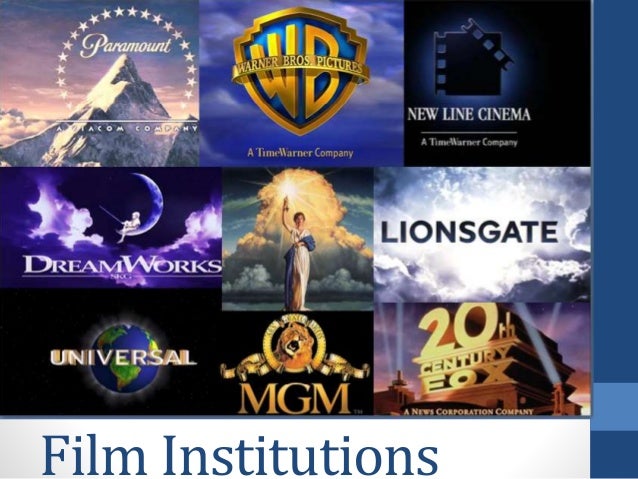
Image result for film institutionsin our AS media film opening creation we used the proper noun 'ROBYN' as the title for our production, which we found was effective as the name itself appears to have juxtaposing un coordinating letters with the names Germanic ancestry and historical roots, meaning something bright and shining which directly contrasts and juxtaposes with our dark themes and imagery and the dark background the title always overlays. This name being used as a title for our past production meant it had close personal links, and was something that could connect our media portfolio over the two years, and so we felt maintaining this name as a institution title created almost a brand identity for our productions....a name that would be recognized and renown. Using ROBYN as an institution title was also effective as it allowed us to asses its effectiveness and overall impact in comparison to using it as a film title as we did for AS. this meant we could delve deeper into analysis for our institutional research.

The font for our institution with a scribbled childish structure subverted away from bold computer generated generic institution fonts such as Warner brothers or lions gate making it stand out and diverge from cliched and generic institution conventions. this also perhaps reinforces the small scale institutions and independent companies we idealize that our film would be produced by on its low budget development. The 'productions' part of the institutional title adopts a similar font to that of american horror story, a popular culture televised TV series, and hence audiences would recognize and relate to this.

The name Robyn appears on our film poster as well as in the trailers beginning creating a brand identity for the production making it seem professional and giving audiences a institution to associate with and recognize across the production and ancillary texts


DIM LIGHT FILMS

this institution appears before our trailer commences with a moving graphic image of a candle burning to give the institutions title appearance a more memorable and stand out appearance rater than our title appearing simply over a still image or original photograph which would have been unconventional as institution titles before films tend to move, glare, spin or slightly change such as dream works for example where the clouds part, or MGM where the lion roars and hence we wanted our institution title to adhere to this.

The quick onscreen presence of this title doesn't bore audiences by taking up large proportions of the trailers duration which would be deemed uninteresting. As well as this The candle being blown out behind the institution title is associated with horror and the unknown as audiences are thrown into darkness, which then leads to relational editing leading into the dark opening scene of our trailer. It makes our institution a specialist institution for horror movie production much like twisted pictures and blumhouse pictures which are most frequently institutions for the creation of horror movies, this hence creates a brand for us of a horror movie producer. The title of the institution 'dimlight' connotes something dark and mysterious. it is a noun that directly links with the lack of lighting in our trailer which makes it relative and current.

EVALUATION 8- annotated trailer


EVALUATION 11 - Codes and Conventions of our Trailer

 how have we established genre across the products? 

across the course of our creation process of our film trailer and ancillary texts we have tried to maintain a clear representation of the horror genre so that we are keeping our audience interests at heart and our film is consistently displaying themes associated with horror. Some of these genre indicators can be as simple as the eerie ambiguous title choice of 'dawn' connoting the sun rising in the morning- something positive and idyllic that we juxtapose with the dark hand drawn calligraphy style font usage to suggest something sinister and archaic with the actual proper noun name of dawn being an archaism and old English name. Other more advanced genre indicators mainly revolve around mise en scene whereby our costume choices, dim lighting to reinforce the serene un-homely cold environment and our absence of dialogue suggestive of something un-natural and un-humane.

TRAILER CONVENTIONS:

Image result for codes and conventions

Codes in a film are a significant factor that create a strong representation and meaning to the audience. there are different sub categories of these codes which encourage the audience to realize connotations and denotations which conform and subvert to stereotypes.


Audio Codes -sounds which the audience hear in the film:
dialogue
 music
special/sound effects.

Written Codes - any written words/phrases/passages which are present in the film:
 headings
subheadings
logos
labels
font
 size
 placement of the writing and signs.

Technical Codes - this regards the usage and techniques of equipment that is used to tell the story, this heavily links to the technical elements of the film:
camera angles
camera movement
lighting
camera shots
framing onscreen
perspective
layout

Symbolic Codes - anything which has a symbolic meaning and shows what is 'beneath the surface' of what is obious and pictured on the screen:
juxtaposition of characters/objects,
 lighting,
use of color,
 feelings/emotion,
equality and stereotypes.

Conventions of a film are the general typical and expected methods and ways of producing a film (differentiating with each genre of film).

 Our titles adhered to horror codes and conventions with the eerie gritty title usage maintained throughout. we used the ARIAL font as a consistent font throughout our trailer, as well as appearing on our ancillary texts on our poster to maintain relational editing and links between our products so audiences could recognize and distinguish a brand identity they could associate with and relate to. Because this font was a fairly common font choice for horror productions and within the cinematic industry we decided to add our own unique editing to the font to make it appear original and altered to our horror codes by disorientating some of the letters so that some of the letters were joint to their adjacent letter, making the text appear jolted and appear to glitch and move when we edited specific letters one at a time to flare, move slightly or allowed the strobe effect to create a glitching effect. The text we used for 'ROBYN PRODUCTIONS'was a varied font from the rest of the titles and credits using a handwritten style text with a byline underneath mimicking the style of american horror story, something that could act as a unique selling point for us to attract audiences. The codes and conventions we adhered to in the text for our trailer made the movie seem professional and the text colors on a consistently black background with white and red text appearing stark and to stand
out made it easy to read and take in information. The black background is prominent, and links with the shadow effects and dim lighting we use further on in the production almost creating a Ronda or cyclical effect where the trailer starts dark and finishes in darkness. The absence of any imagery behind our text, only the black background fits with conventions of the supernatural and phantasmagorical in horror movies and presents something absent and dark and lost rather than idyllic scenery or a scene from our movie that perhaps would contradict or juxtapose this dark text usage.


 The hand appearing from the bedroom cupboard is arguably cliched of our horror movie as the ghost story fantasy ideology of something lurking in the darkness or in a bedroom is a re known childhood scary horror nightmare. hence, this accurately fits in with the horror genre. Arguably however the popularity of monsters inc with something lurking behind the door (much like our old lady) being inevitably something innocent, loving and kind may cause audiences to not be scared by this idea and our opening scene of something behind the door as in popular culture the monsters inc plot would be known remembered and recognized by huge expansive audiences. The hand lurking from the cupboard fits the codes of horror movies with the antagonist or antagonist force/ force of evil being hidden from audiences, especially in the beginning of the trailer in order to trigger enigmas and keep audiences in tensions awaiting. The clock in the foreground of our opening scene in deep focus is a typical code of horror movies with victims being under a time limit, or trying to escape and being under pressure.
The scene where we only see the young girls back when she turns on the light is enigma triggering as the camera lingers on her for a few seconds and hence trailer audiences are guessing what she has seen or is in front of her as prior to this clip the old woman was standing in this doorway area. When we as audiences realise there is nothing in the bathroom and the antagonist has somehow with camera illusion and fast paced editing disappeared, the equilibrium in the trailer is maintained and we have not yet reached the disruption of the equilibrium. This is conventional of horror trailers where lots of minor incidents and potential equilibrium breakers lead up to a a finite large scale equilibrium disturbance. The lingering of the camera on this girl juxtaposes laura mulveys idea of the male gaze whereby a females curves and feminine traits are lingered on and instead the innocence of this girl is reinforced with her childish pajamas young low height and childish actions. The ghosting editing effect on premier elements reinforces the slow pace of the girls actions, as well as conventionally to a horror movie- adding a sense of the un-natural and supernatural to the movie.


The mirror scene in the trailer fits codes and conventions of horror movies as mirrors are often used as platforms for creating a horror scene as they show something as a reflection or a parallel and throughout history mirrors have been mythical and folklore basis for supernatural claims that you can only see ghosts in mirrors, that vampires have no mirror reflection, that if you say 'bloody Mary' 3 times the ghost of Henry VIII's late wife appears.This folklore belief carried through history gives context to our film, making this mirror prop usage (relating to mise en scene) seem scarier to our viewers. the mirror scene is also an advanced attempt of camera illusion and camera magic as you cannot see the camera filming what is going on as this would ruin the cinematography magic. To enable the camera not to be seen we ensured our over the shoulder shot from the young girl was tight to her shoulder and the camera was in shallow focus with not to much of the surroundings being seen. This mirror scene relates to spectrophobia which is a fear of mirrors, and in this way our film relates to audiences by bringing in real human fears into our narrative making it even more scary and realistic. The film also adopts conventions other horror movies such as 'mirrors' 'oculous' and 'the grudge' where mirrors are used as a main factor for triggering fear and creating jump scares. hence, our film fits conventions by using this as a jump scare.


Usage of abstract imagery in our trailer with the blood coated daffodils conventionally adopts codes and traits from similar horror movies where montages of contrasting imagery are used to show a range of differing scenes giving the movie depth and hinting at a complex story line. The daffodils as natural idyllic flowers connoting life and rebirth juxtapose with the themes of death in the horror trailer, which is almost represented through the blood splatters on the flowers. The flowers also are abstract in the trailer, making our trailer fit adheringly to some of our studies into horror concept art, and inspiration for this daffodil idea came from Nimfas 'psychedelic flowers' artistic painted piece,

The scribbling scenes in our trailer fit codes and conventions as often writing backwards (as in 'the knowing') or writing a different language ('Ouija II') is associated with horror and hence originally and uniquely our fast paced glitching edit to the protagonists writing fits it with the conventions of horror. This scene is also one of the most prevalent final scenes in our trailer conventionally making it memorable and stick in audiences heads, and in addition to this- filming it from three different angles from a point of view, extreme close up and close up it reinforces even more the supernatural obscure way the girl is writing as if she is possessed.


Our darkest scene using the lowest minimalist amount of lighting where the young girl is seen trying to escape the room makes audiences feel actively involved as the girl seemingly is using direct mode of address through eye contact to target onlooking secondary audiences to help her. this scene filmed without a tripod and on a lower quality mobile device reinforces the realism of it seemingly from a home device making the scene seem even more real.